
“I chose Emily Griffith because I haven’t had the best experience in school. So, when I found this course, I liked that it was only 11 months long. I liked that it didn’t require you to spend thousands of dollars on a 4 year degree and it could give you hands-on experience.” ”
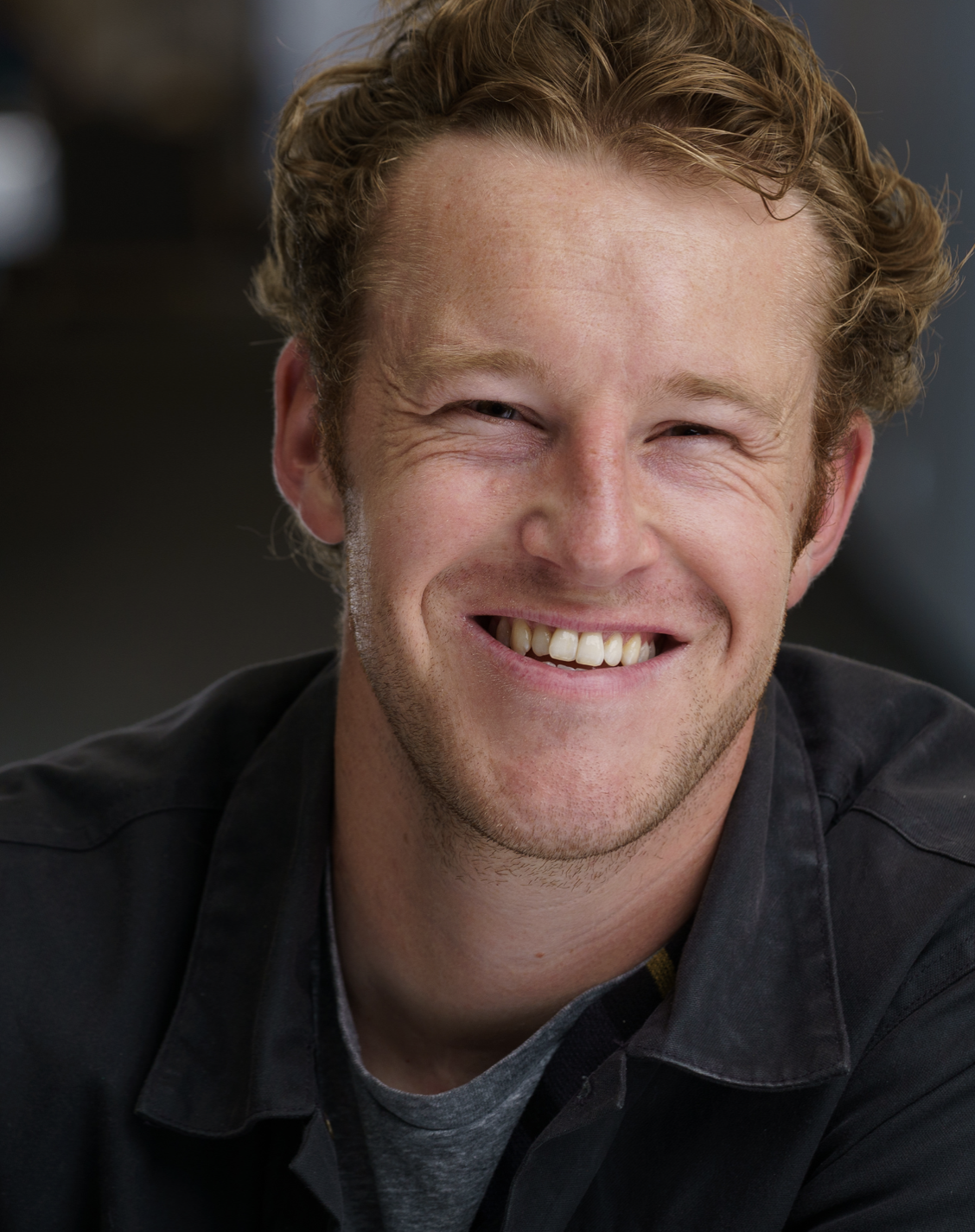
Cam Clarke
Published June 2026
For many creatives, the path to filmmaking begins in front of a television screen. For Cam Clarke, a Colorado native, that connection ran even deeper. Growing up with a hearing challenge, he struggled in school both academically and socially, finding comfort and community in visual storytelling. "I found myself gravitating towards visual entertainment such as movies and television shows," Clarke says. "I connected with the characters on screen and started to pursue an acting career."
That passion took a practical turn thanks to some familial advice. His father, who has a 40-year career in video production, suggested learning what it’s like behind the camera. As Clarke notes, his father told him to learn the trade "because there’s a lot more to creating a movie or a production than what you see on screen." He kept that advice in mind, and while he was actually searching for job opportunities in the multimedia field, he discovered the school and its Multimedia Video Production program.
Traditional classrooms hadn't always been the right fit for him, making Emily Griffith's accelerated timeline the ideal alternative. "I chose Emily Griffith because I haven’t had the best experience in school," Clarke explains. "So, when I found this course, I liked that it was only 11 months long. I liked that it didn’t require you to spend thousands of dollars on a 4 year degree and it could give you hands-on experience."
Standard textbooks and lectures often present barriers to learning, but the tactile environment of this program provided a major breakthrough for him. "I've never been able to read multiple chapters in a book and retrain the information I read," Clarke shares. "I learn by physically practicing the keyboard shortcuts on repeat, working with various tools and physically doing the work to get to that desired outcome."
Taking on an intensive technical program requires immense focus, which was made entirely possible through vital institutional funding. By utilizing financial assistance opportunities, Clarke secured full tuition support through grants and scholarships. Easing this financial burden allowed him to fully dedicate himself to mastering the curriculum without the weight of impending student debt. "I want to thank Emily Griffith for awarding me the full tuition for my education in this course," Clarke says. "I don’t take this opportunity for granted."
Currently on track to graduate in July 2026, he is already looking toward the future. "Once I complete this course, I would like to find a job as a video editor to start my career," he notes. "However, I would eventually like to use the knowledge I’ve gained in this course to create, produce and direct my own films somewhere down the road." That ultimate goal is already well in motion, as he is currently writing several screenplays.
For the donors who make these scholarships possible, Clarke emphasizes that their contributions directly fuel the creative and professional breakthroughs of students who learn by doing. "If you're considering making a donation to Emily Griffith, I'd do it," Clarke says. "These instructors are passionate about what they teach and they really want their students to succeed. Because this is a hands-on course, I think the students find themselves doing incredibly creative projects they never thought they were capable of."